
In this guest blog, Hannah Cameron-Ross, Senior Emergency Planning Officer at The Highland Council, shares lessons from Scotland’s wildfires and explores how communities can build resilience before emergencies strike.
This summer, Scotland experienced some of the most significant wildfires in recent memory. Many people will remember the dramatic images of flames spreading across hillsides, helicopters lifting water from lochs, and firefighters working around the clock to protect communities.
But those images tell only part of the story.
As an Emergency Planning Officer working in the Highlands, what stood out to me most was the response from ordinary people. Alongside the work of emergency services, I saw neighbours checking in on one another, volunteers stepping forward to help, and communities pulling together during a difficult time.
It was a powerful reminder that resilience isn’t something that begins when an emergency happens. It is built long beforehand.
When we talk about resilience, it’s easy to think about specialist equipment, emergency plans and response organisations. These are all important, but resilience often starts much closer to home. It begins with individuals, households and communities taking small practical steps to prepare for disruption before it happens.
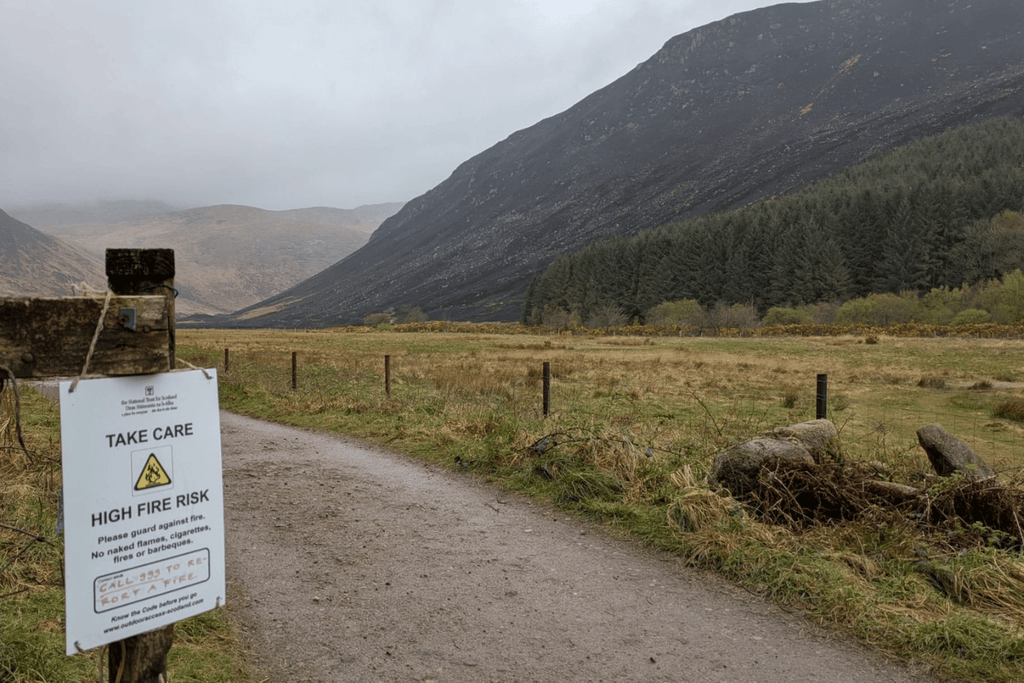
Wildfires may have dominated the headlines this year, but they are just one of the challenges communities face. Flooding, severe storms, power outages and extreme weather can all disrupt daily life. While we can’t prevent every emergency, we can make ourselves better prepared to respond and recover.
For individuals and households, preparedness does not need to be complicated. It could be as simple as knowing how you would receive emergency information, keeping important contact details accessible, having a torch and spare batteries available, or making sure you have essential medication and supplies if travel becomes difficult. Taking time to talk through a simple plan with family members can also make a big difference.
At a community level, resilience is often built through relationships. The communities that cope best during disruption are rarely those with the most resources. They are often the places where people know one another, local groups work together and there is already a culture of mutual support. During an emergency, those connections become invaluable.
That is why more communities are beginning to think about resilience before they need it. Conversations about local risks, vulnerable neighbours, community buildings, skills and resources can help communities better understand how they might support one another when challenges such as wildfires arise. In many places, these discussions are leading to Community Resilience Plans, but the conversations themselves are often just as valuable as the finished document.
Perhaps the most encouraging lesson from this summer is that people want to help. Throughout the wildfire incidents, volunteers, community organisations and local residents stepped forward to support one another in countless ways.
The challenges facing our communities may be changing, but the foundations of resilience remain the same: preparedness, connection and collective action. By taking small steps at home and strengthening the relationships around us, we can all play a role in building more resilient communities.
Because when the next emergency comes, whatever form it takes, resilience will not begin with the response. It will begin with the preparations we make today.
Hannah Cameron-Ross – Senior Emergency Planning Officer